
Debunking Diet Myths from a Qualified Nutritional Therapist
Explore how your diet influences mental health through the gut-brain axis. Learn about the critical roles of diverse microbiota, probiotics, and anti-inflammatory foods in maintaining cognitive and emotional balance.
Myth-Busting in Nutrition
It’s essential to debunk common nutritional myths to empower you with the confidence to make healthier food choices effectively and affordably:
Economic Eating: Healthy eating doesn’t have to break the bank. Planning meals around sales, buying seasonal produce, and opting for whole grains like brown rice and dried beans can keep costs down while boosting nutrition.
The Gluten Misconception: Gluten-free diets are vital for those with celiac disease or sensitivity, but they aren’t necessary for everyone. Whole grains, rich in B vitamins and fiber, are beneficial unless otherwise advised by health professionals.
Understanding Sugars: Not all sugars are created equal. While it’s better to choose less refined options like honey or maple syrup, they should still be consumed in moderation as they contribute to the total daily sugar intake.
The Role of Fats: Dismiss the outdated fears of fats from the ‘80s and ‘90s. Healthy fats are crucial for protecting organs and absorbing vitamins. Opt for sources of unsaturated fats like avocados and nuts over ultra-proceed forms found in muffins, pasties and fries.
Carbohydrate Considerations: Carbohydrates are not inherently bad; it’s the type that matters. Eliminating highly processed carbs can aid in weight management, but wholesome carbs like fruits and whole grains are vital for balanced nutrition.
Detox Diets Debunked: Your body is naturally equipped to detox itself through the liver and kidneys. Enhance this natural process by focusing on a diet rich in whole foods rather than relying on marketed cleanse products.
Late Night Eating: It’s not about the clock when it comes to weight gain but rather why and what you’re eating. Mindful eating is key to managing night-time cravings.
Fresh vs. Preserved Produce: Contrary to popular belief, frozen, canned, and dried fruits and vegetables can be just as nutritious as fresh ones. These preserved options offer an affordable and convenient way to ensure consistent fruit and vegetable intake, vital for maintaining a balanced diet. Selecting options without added sugars, fats, or sodium will maximise health benefits.
Soy and Breast Cancer Risk: The misconception that soy foods increase breast cancer risk stems from studies on animals, not humans. In fact, human studies have shown that soy foods might have protective effects against breast cancer. Soy products are beneficial for heart health and provide high-quality protein, fiber, and essential nutrients. Incorporating tofu, tempeh, edamame, and soy milk into your diet can be a part of a healthy eating plan. Try opting for organic soy items where possible.
“debunking common nutritional myths will empower you with the confidence to make healthier food choices effectively and affordably”
Actionable Tips for Daily Life
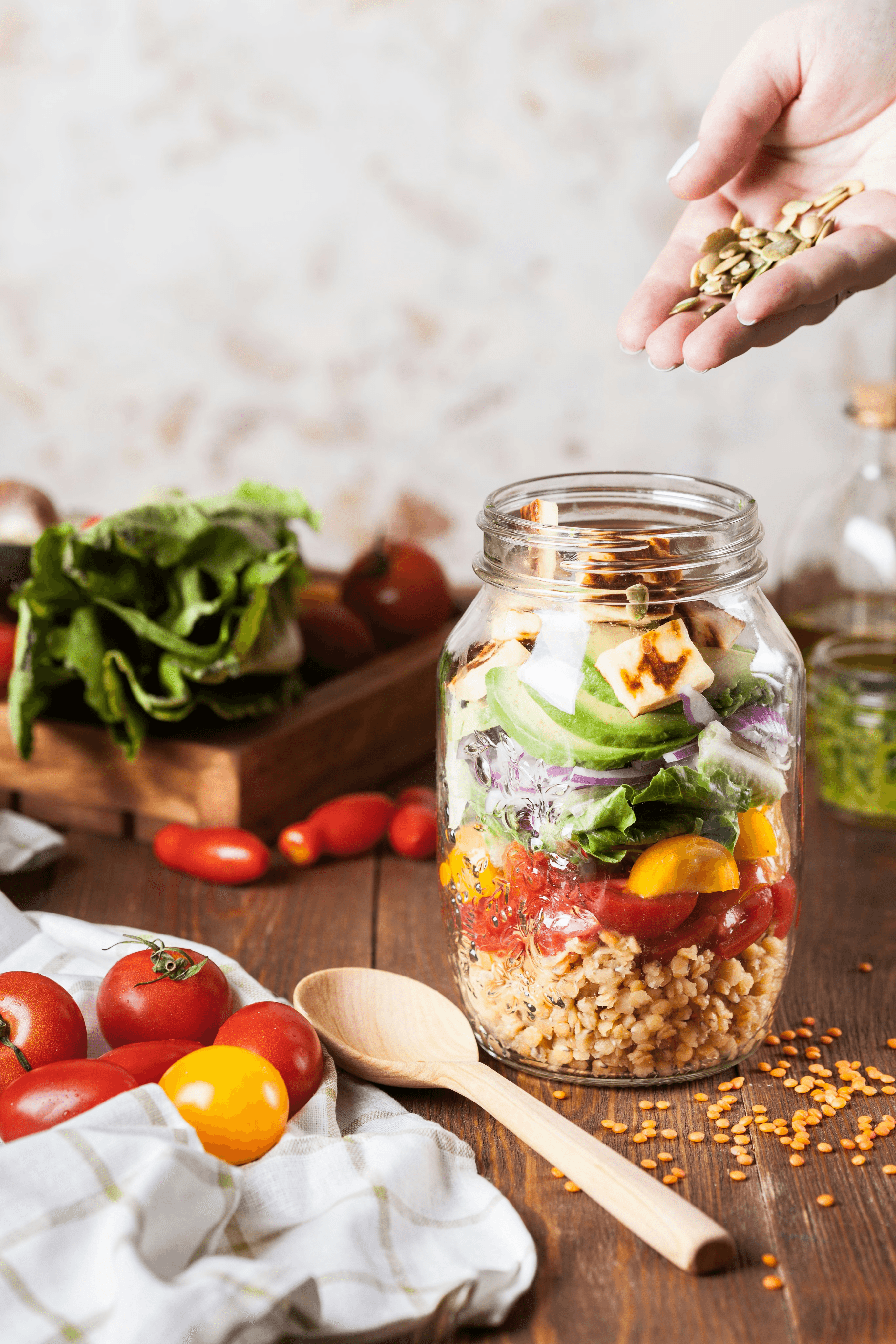
Smart Snacking: Choose nuts and seeds for snacks, they're not only rich in fiber but also healthy fats that can support cardiovascular health without spiking blood sugar.
Balanced Meals: Include protein and vegetables before carbohydrates in your meals to manage blood sugar levels effectively.
Diverse Diet: Include a variety of fruits and vegetables in your diet, whether fresh, frozen, canned, or dried. Ensure that any preserved produce you choose is low in unnecessary additives, sugar and sodium.
Balanced Consumption: Enjoy organic soy products as part of a varied diet to take advantage of their nutritional benefits without overreliance on any single food source.
Rethink Carbohydrates: opt for whole grains such as, Quinoa, Oats,
Buckwheat, Bulgur, Farro, Brown rice.
In Conclusion
Understanding the interplay between diet, lifestyle, and overall health is more than just countering myths; it's about making consistent, informed choices that align with scientific evidence. Embrace a balanced approach to nutrition that supports both your mental and physical health, rooted in modern scientific understanding and practical, everyday applications.
Debunking Diet Myths from a Qualified Nutritional Therapist
Explore how your diet influences mental health through the gut-brain axis. Learn about the critical roles of diverse microbiota, probiotics, and anti-inflammatory foods in maintaining cognitive and emotional balance.
Myth-Busting in Nutrition
It’s essential to debunk common nutritional myths to empower you with the confidence to make healthier food choices effectively and affordably:
Economic Eating: Healthy eating doesn’t have to break the bank. Planning meals around sales, buying seasonal produce, and opting for whole grains like brown rice and dried beans can keep costs down while boosting nutrition.
The Gluten Misconception: Gluten-free diets are vital for those with celiac disease or sensitivity, but they aren’t necessary for everyone. Whole grains, rich in B vitamins and fiber, are beneficial unless otherwise advised by health professionals.
Understanding Sugars: Not all sugars are created equal. While it’s better to choose less refined options like honey or maple syrup, they should still be consumed in moderation as they contribute to the total daily sugar intake.
The Role of Fats: Dismiss the outdated fears of fats from the ‘80s and ‘90s. Healthy fats are crucial for protecting organs and absorbing vitamins. Opt for sources of unsaturated fats like avocados and nuts over ultra-proceed forms found in muffins, pasties and fries.
Carbohydrate Considerations: Carbohydrates are not inherently bad; it’s the type that matters. Eliminating highly processed carbs can aid in weight management, but wholesome carbs like fruits and whole grains are vital for balanced nutrition.
Detox Diets Debunked: Your body is naturally equipped to detox itself through the liver and kidneys. Enhance this natural process by focusing on a diet rich in whole foods rather than relying on marketed cleanse products.
Late Night Eating: It’s not about the clock when it comes to weight gain but rather why and what you’re eating. Mindful eating is key to managing night-time cravings.
Fresh vs. Preserved Produce: Contrary to popular belief, frozen, canned, and dried fruits and vegetables can be just as nutritious as fresh ones. These preserved options offer an affordable and convenient way to ensure consistent fruit and vegetable intake, vital for maintaining a balanced diet. Selecting options without added sugars, fats, or sodium will maximise health benefits.
Soy and Breast Cancer Risk: The misconception that soy foods increase breast cancer risk stems from studies on animals, not humans. In fact, human studies have shown that soy foods might have protective effects against breast cancer. Soy products are beneficial for heart health and provide high-quality protein, fiber, and essential nutrients. Incorporating tofu, tempeh, edamame, and soy milk into your diet can be a part of a healthy eating plan. Try opting for organic soy items where possible.
“debunking common nutritional myths will empower you with the confidence to make healthier food choices effectively and affordably”
Actionable Tips for Daily Life
Smart Snacking: Choose nuts and seeds for snacks, they're not only rich in fiber but also healthy fats that can support cardiovascular health without spiking blood sugar.
Balanced Meals: Include protein and vegetables before carbohydrates in your meals to manage blood sugar levels effectively.
Diverse Diet: Include a variety of fruits and vegetables in your diet, whether fresh, frozen, canned, or dried. Ensure that any preserved produce you choose is low in unnecessary additives, sugar and sodium.
Balanced Consumption: Enjoy organic soy products as part of a varied diet to take advantage of their nutritional benefits without overreliance on any single food source.
Rethink Carbohydrates: opt for whole grains such as, Quinoa, Oats,
Buckwheat, Bulgur, Farro, Brown rice.
In Conclusion
Understanding the interplay between diet, lifestyle, and overall health is more than just countering myths; it's about making consistent, informed choices that align with scientific evidence. Embrace a balanced approach to nutrition that supports both your mental and physical health, rooted in modern scientific understanding and practical, everyday applications.
Debunking Diet Myths from a Qualified Nutritional Therapist
Explore how your diet influences mental health through the gut-brain axis. Learn about the critical roles of diverse microbiota, probiotics, and anti-inflammatory foods in maintaining cognitive and emotional balance.
Myth-Busting in Nutrition
It’s essential to debunk common nutritional myths to empower you with the confidence to make healthier food choices effectively and affordably:
Economic Eating: Healthy eating doesn’t have to break the bank. Planning meals around sales, buying seasonal produce, and opting for whole grains like brown rice and dried beans can keep costs down while boosting nutrition.
The Gluten Misconception: Gluten-free diets are vital for those with celiac disease or sensitivity, but they aren’t necessary for everyone. Whole grains, rich in B vitamins and fiber, are beneficial unless otherwise advised by health professionals.
Understanding Sugars: Not all sugars are created equal. While it’s better to choose less refined options like honey or maple syrup, they should still be consumed in moderation as they contribute to the total daily sugar intake.
The Role of Fats: Dismiss the outdated fears of fats from the ‘80s and ‘90s. Healthy fats are crucial for protecting organs and absorbing vitamins. Opt for sources of unsaturated fats like avocados and nuts over ultra-proceed forms found in muffins, pasties and fries.
Carbohydrate Considerations: Carbohydrates are not inherently bad; it’s the type that matters. Eliminating highly processed carbs can aid in weight management, but wholesome carbs like fruits and whole grains are vital for balanced nutrition.
Detox Diets Debunked: Your body is naturally equipped to detox itself through the liver and kidneys. Enhance this natural process by focusing on a diet rich in whole foods rather than relying on marketed cleanse products.
Late Night Eating: It’s not about the clock when it comes to weight gain but rather why and what you’re eating. Mindful eating is key to managing night-time cravings.
Fresh vs. Preserved Produce: Contrary to popular belief, frozen, canned, and dried fruits and vegetables can be just as nutritious as fresh ones. These preserved options offer an affordable and convenient way to ensure consistent fruit and vegetable intake, vital for maintaining a balanced diet. Selecting options without added sugars, fats, or sodium will maximise health benefits.
Soy and Breast Cancer Risk: The misconception that soy foods increase breast cancer risk stems from studies on animals, not humans. In fact, human studies have shown that soy foods might have protective effects against breast cancer. Soy products are beneficial for heart health and provide high-quality protein, fiber, and essential nutrients. Incorporating tofu, tempeh, edamame, and soy milk into your diet can be a part of a healthy eating plan. Try opting for organic soy items where possible.
“debunking common nutritional myths will empower you with the confidence to make healthier food choices effectively and affordably”
Actionable Tips for Daily Life
Smart Snacking: Choose nuts and seeds for snacks, they're not only rich in fiber but also healthy fats that can support cardiovascular health without spiking blood sugar.
Balanced Meals: Include protein and vegetables before carbohydrates in your meals to manage blood sugar levels effectively.
Diverse Diet: Include a variety of fruits and vegetables in your diet, whether fresh, frozen, canned, or dried. Ensure that any preserved produce you choose is low in unnecessary additives, sugar and sodium.
Balanced Consumption: Enjoy organic soy products as part of a varied diet to take advantage of their nutritional benefits without overreliance on any single food source.
Rethink Carbohydrates: opt for whole grains such as, Quinoa, Oats,
Buckwheat, Bulgur, Farro, Brown rice.
In Conclusion
Understanding the interplay between diet, lifestyle, and overall health is more than just countering myths; it's about making consistent, informed choices that align with scientific evidence. Embrace a balanced approach to nutrition that supports both your mental and physical health, rooted in modern scientific understanding and practical, everyday applications.








Your Health Blueprint
YourBiologyIsUnique.YourHealthApproachShouldBeToo.
YourBiologyIsUnique.YourHealthApproachShouldBeToo.
Discoverhowadvancednutrigenomicanalysiscanhelpuncovertheinsightsbehindyourenergy,nutrition,wellbeingandlong-termhealth,andtransformthemintopersonalisedrecommendationsyoucanactonwithconfidence.





Insights
FeaturedArticles
FeaturedArticles
FeaturedArticles


FREE PARENT GUIDE · 10 PATTERNS TO NOTICE
FREE PARENT GUIDE · 10 PATTERNS TO NOTICE
Could Your Child’s Everyday Patterns Be Telling You More?
The earliest signs are often subtle and easy to dismiss, yet deeply worth understanding. This guide highlights 10 patterns that may suggest your child’s biology needs more personalised support, helping you respond with greater clarity and confidence.